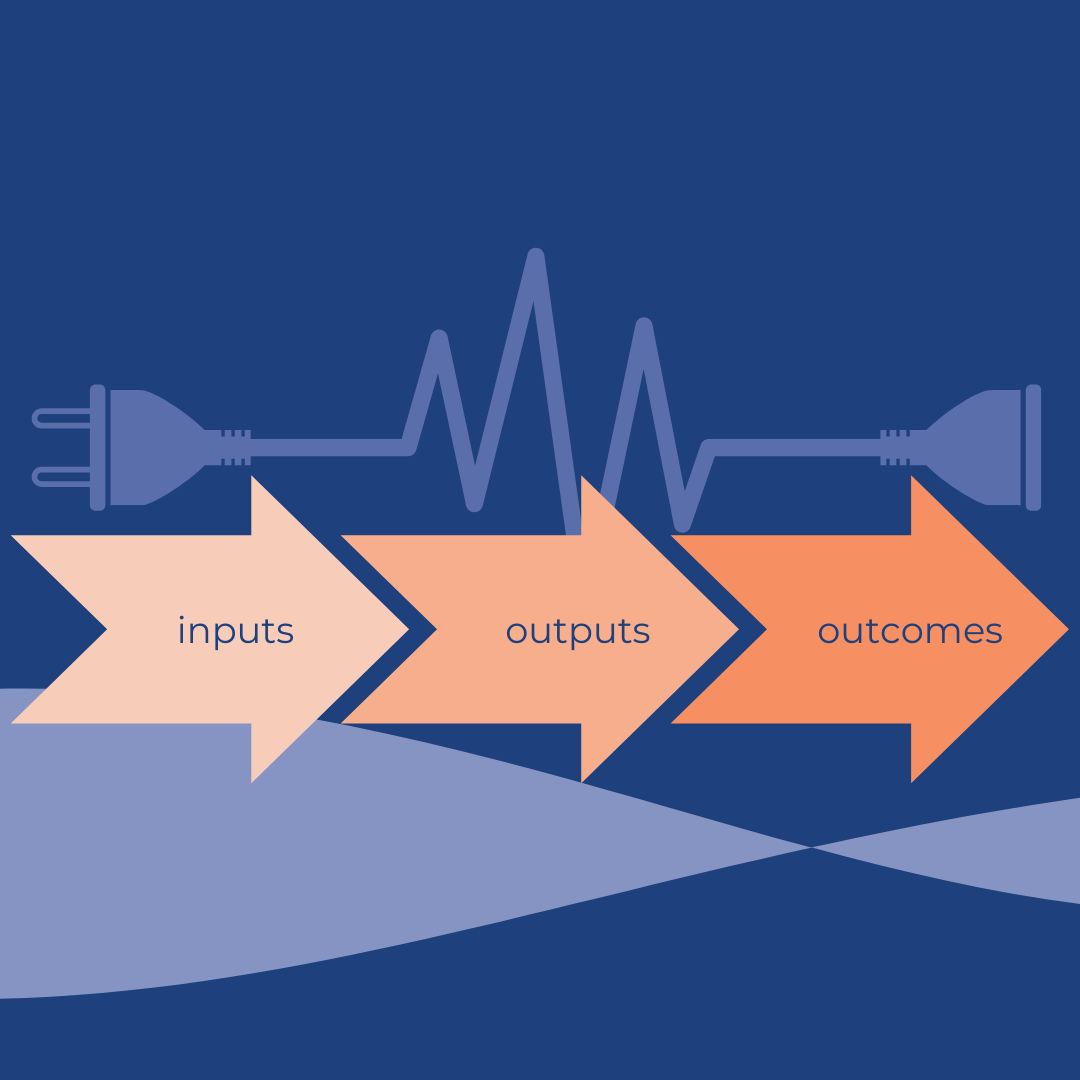
Using Logic Models to Strengthen Programs from Start to Finish
Have you ever wondered what your program’s general goal is? Have you ever struggled to explain and share what your program does and why it works? Have you ever wondered why your program isn’t leading to the outcomes you’re hoping for? Whether you’re knee-deep in planning your program, atop the steep hill of implementation, or looking back on your journey’s progress, these questions can feel uncomfortable or overwhelming as they arise. Luckily, you can find answers in your program’s Logic Model whenever these questions arise. A logic model is your north star: your program’s guide to success! It is an illustrative connection between a program’s activities and its goals.
Learning Objectives
After completing this course, you will be able to:
- Summarize the primary components of a logic model and how it visually represents a program from inputs through outcomes.
- Develop logic models for programs through backward mapping.
- Apply logic model concepts to make informed decisions for planning, implementation, adaptation, and evaluation purposes.
Developers
Nathaniel Riggs, Ph.D.
Alex Hansen, B.S.
Nicole Mingola, M.S.
eCourse Credentialing
Penn State is a Pennsylvania Department of Education non-credit Act 48 approved provider. Upon successful completion, participants can earn 1.25 hours toward fulfilling their Act 48 requirements by participating in this course and completing all activities. Be sure to complete the evaluation at the end of this course and indicate if you seek Act 48 credits in your learner profile.
eCourse Length: 1+ Hours
eCourse Level: Intermediate
eCourse Type: eCourse Series